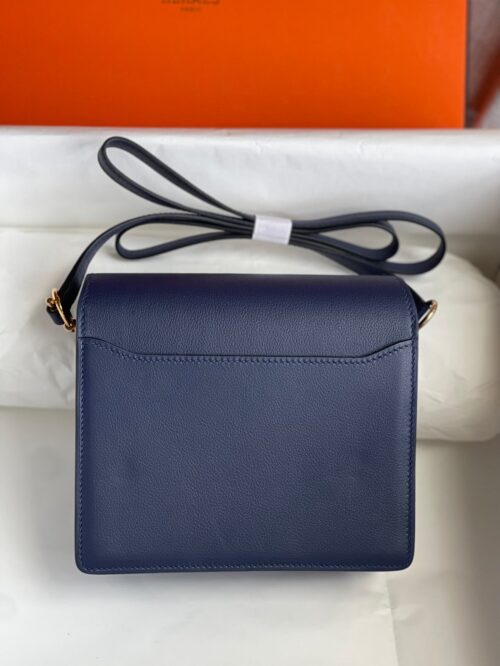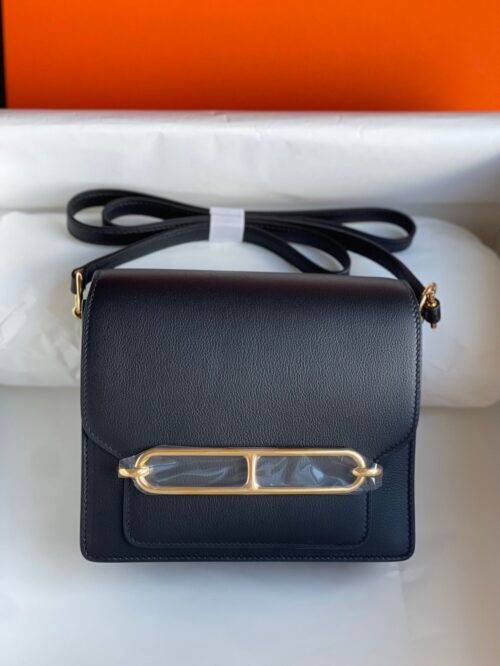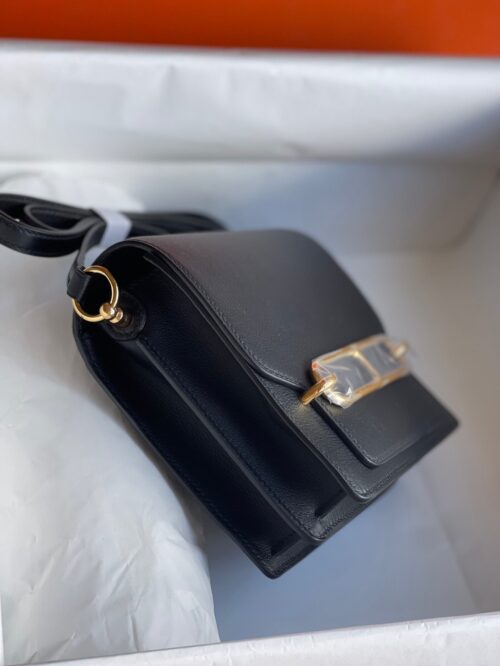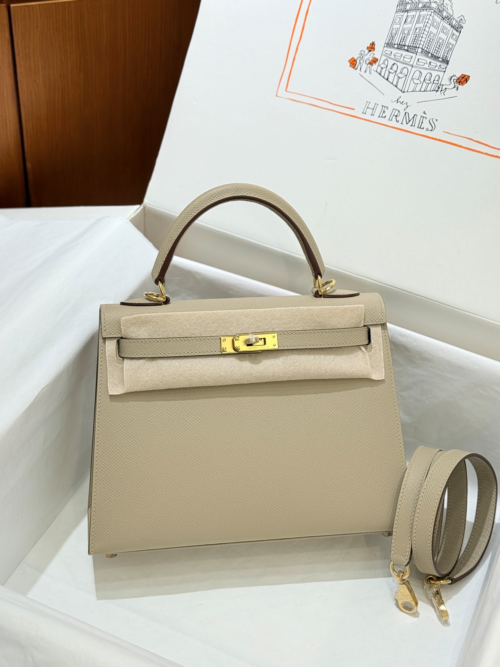


The Question Everyone Wants Answered
You’ve seen the TikToks. You’ve read the Reddit threads. Someone holds up a replica next to an authentic bag and swears you can’t tell the difference. But what’s actually true?
Where the Money Actually Goes
When you buy a $3,000 designer bag, here’s what you’re paying for:
- Brand markup: 60-80% of the price is the name, not the materials
- Retail overhead: Flagship store rent in Paris, Milan, or Tokyo
- Marketing campaigns: Celebrity ambassadors, Vogue spreads, fashion week sponsorships
- Actual bag: Leather, hardware, labor — maybe 15-20% of the price
A $300 replica removes the markup, the rent, and the celebrity budget. What’s left? The materials and the craftsmanship.
The 5% Difference: What You Actually Lose
- Resale value: Authentic bags hold value. Replicas don’t. But if you’re buying to use, not invest, this doesn’t matter.
- Prestige signaling: If you need the bag to “prove” something, authentic wins. For everyone else, it’s invisible.
- Minor finish details: Inside stamps, serial number engraving, packaging extras. Things 99% of people never see.
- Repair services: Designer houses repair their bags. Replicas? You replace them — but at $300 vs $3,000, you can afford to.
- The feeling: This is real. Some people genuinely feel different carrying authentic. That’s valid — but it’s a feeling, not a feature.
When Replicas Make Sense
Buy replica when: you want the look, you’ll use it hard, trends change fast, or you’re building a rotation and don’t want $20,000 in bags.
Buy authentic when: you’re collecting, you resell, you need the social signal for work/events, or the purchase itself brings you joy.
The Bottom Line
For most people, a quality replica is 95% of the experience at 10% of the cost. The other 5% is branding, resale, and feelings — valuable to some, irrelevant to most.
Shop curated replicas with honest quality at elitebags.cc